


Ipswich QLD - Flood Affected Home Restored By Biodec
- Isaac Pickering
- May 29, 2025
- 2 min read

Updated: Jun 2, 2025


In early 2025, Cyclone Alfred unleashed torrential rain and flooding across Brisbane, Gold Coast, and the Northern Rivers. One home that was breached by floodwater, suffered significant damage. This wasn’t just rainwater—it was Category 3 floodwater, carrying dangerous contaminants that rendered the lower parts of the home unsafe.
Biodec was called in to remediate the property to IICRC S500 standards, ensuring the home could be safely reoccupied.
Understanding Category 3 Water
Despite the shallow depth of flooding, the source of the water made it particularly hazardous. Category 3 water, often referred to as "black water," includes water from:
Storm surges
Sewage backups
Ground surface water flowing from beyond the building perimeter
IICRC S500 (2021), Section 10.4.3.1:"Category 3 water is grossly contaminated and may contain pathogenic, toxigenic, or other harmful agents and can cause significant adverse reactions to humans if contacted or consumed."
In this case, stormwater runoff from Cyclone Alfred entered the home, soaking porous materials like plasterboard, insulation, and timber framing.
Biodec’s Category 3 Remediation Process
Upon arrival, Biodec conducted a full assessment and developed a remediation plan based on Category 3 protocols, which include more extensive removal and disinfection than lower-category incidents.
1. Safety First
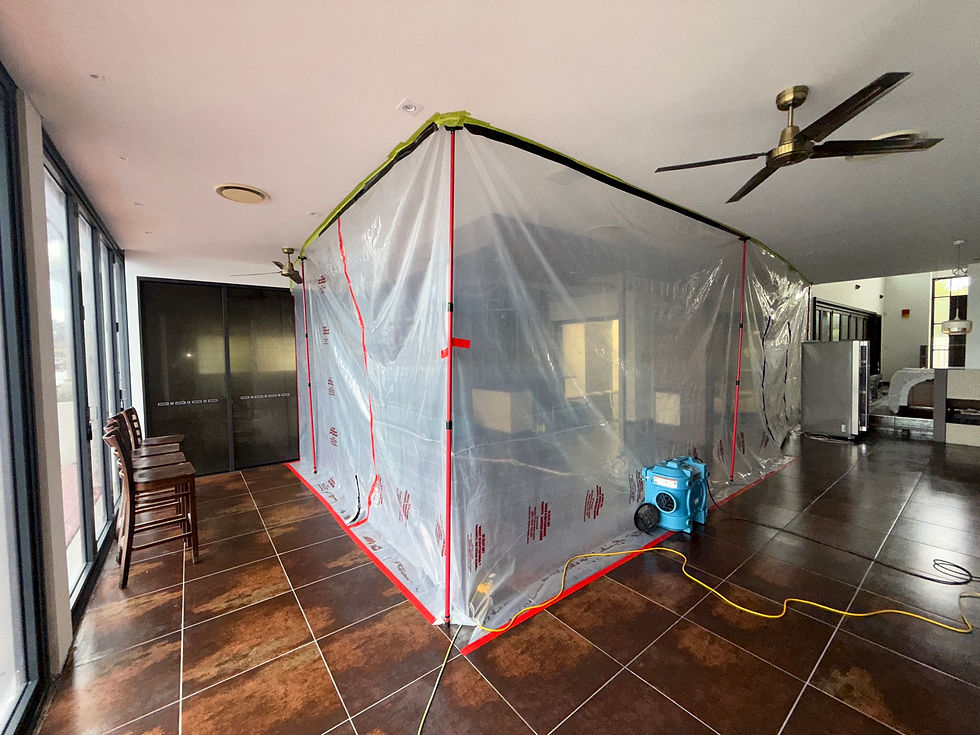
Containment was established to prevent cross-contamination. Technicians used full PPE, including respirators and bio-barrier suits.
2. Strip-Out to 1200mm
Though the water depth was only a few centimetres, materials were wet well above that line due to capillary action and absorption.
IICRC S500 (2021), Section 12.3.5:"Removal of affected porous materials should extend to a height of at least 12 inches (300 mm) above the visible line of water damage or to the nearest break above that point."
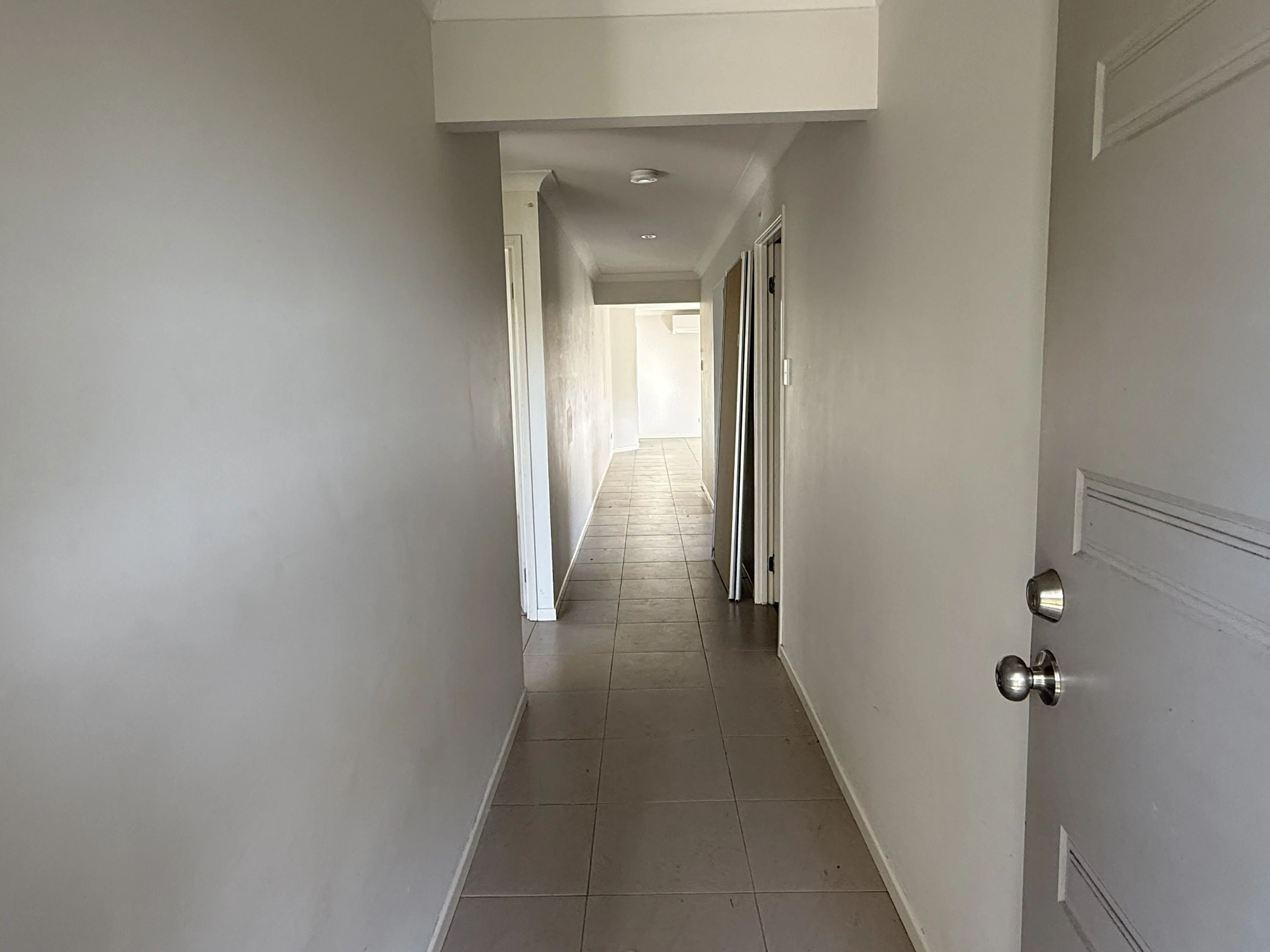
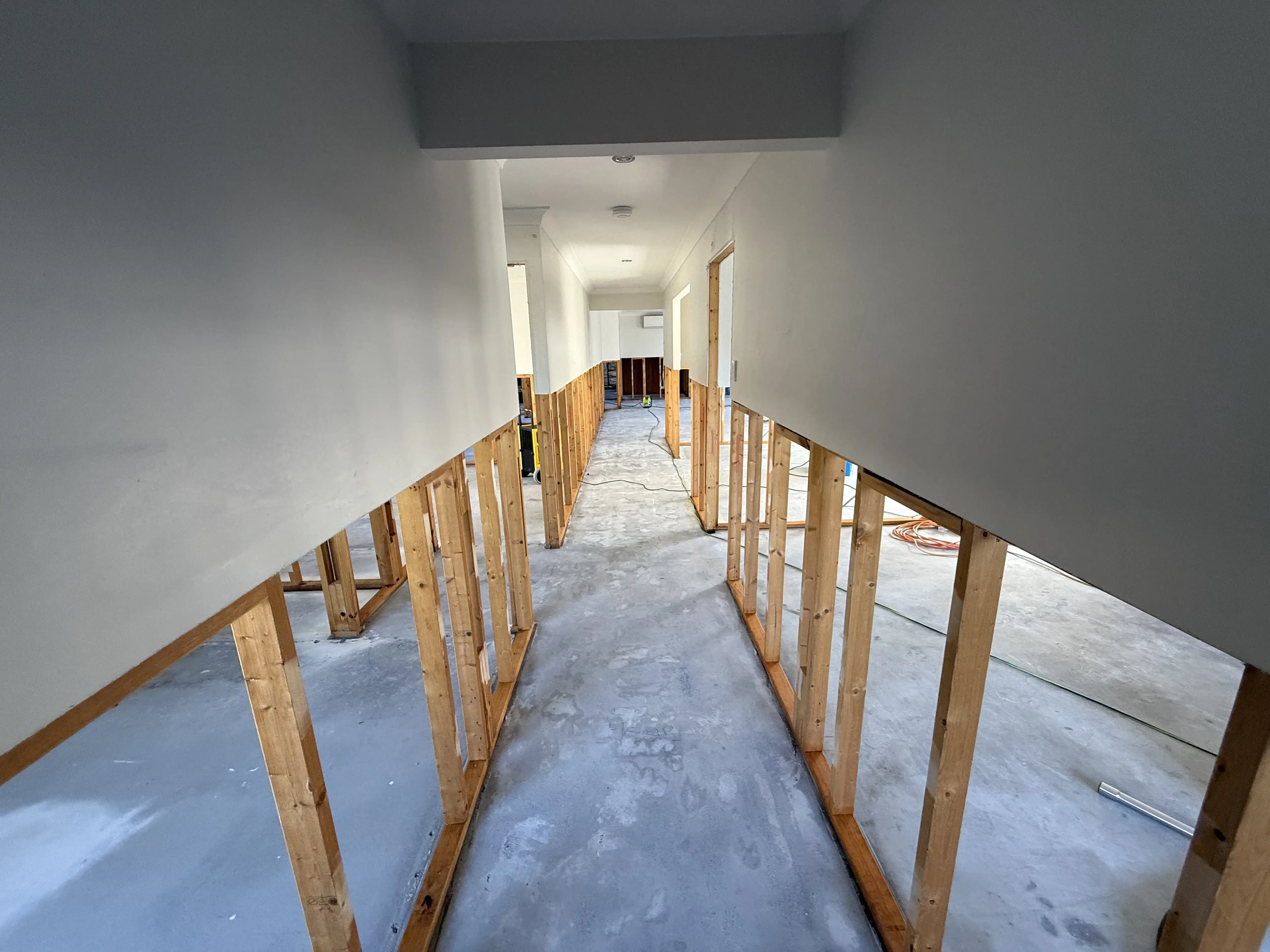
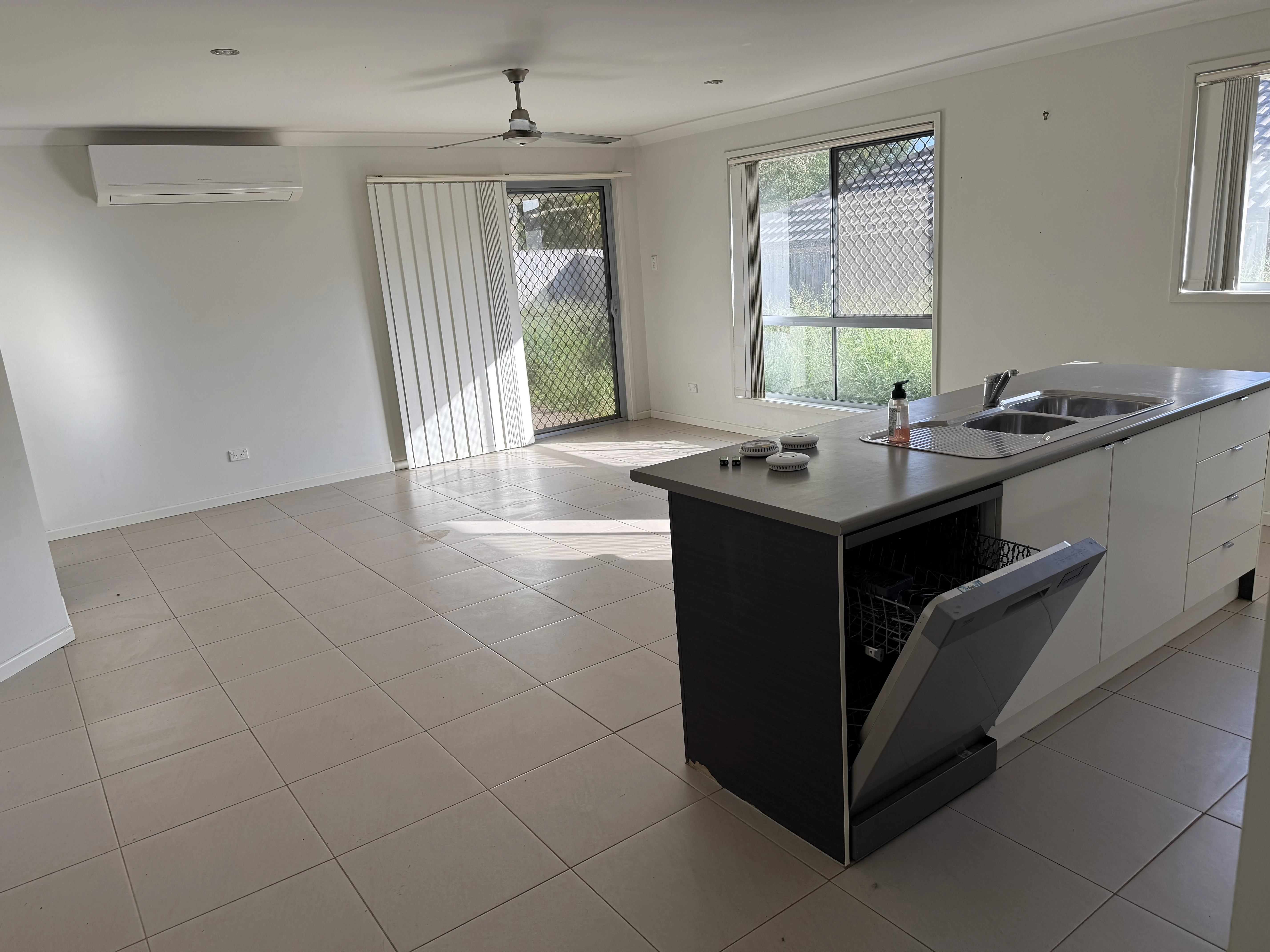
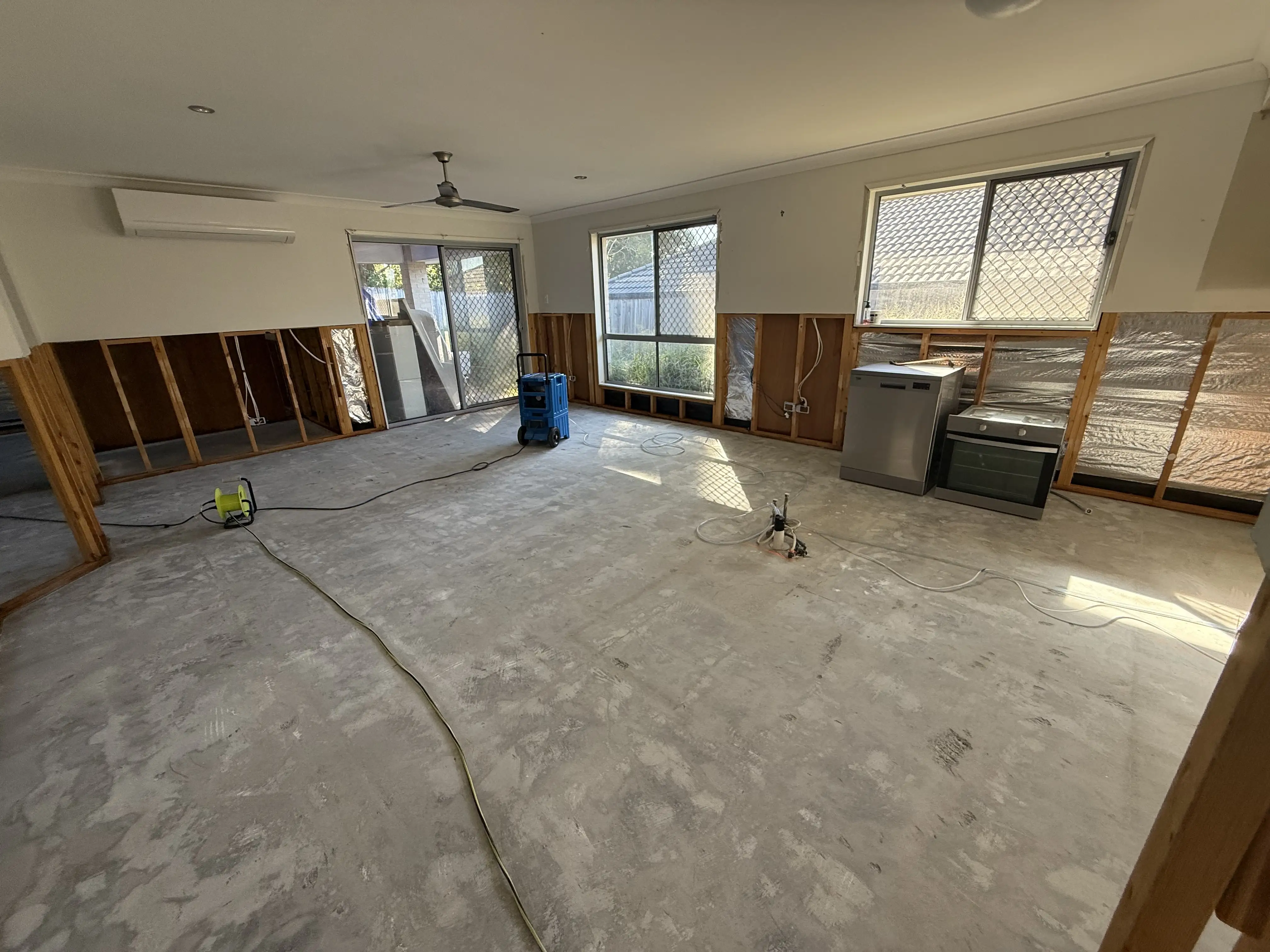
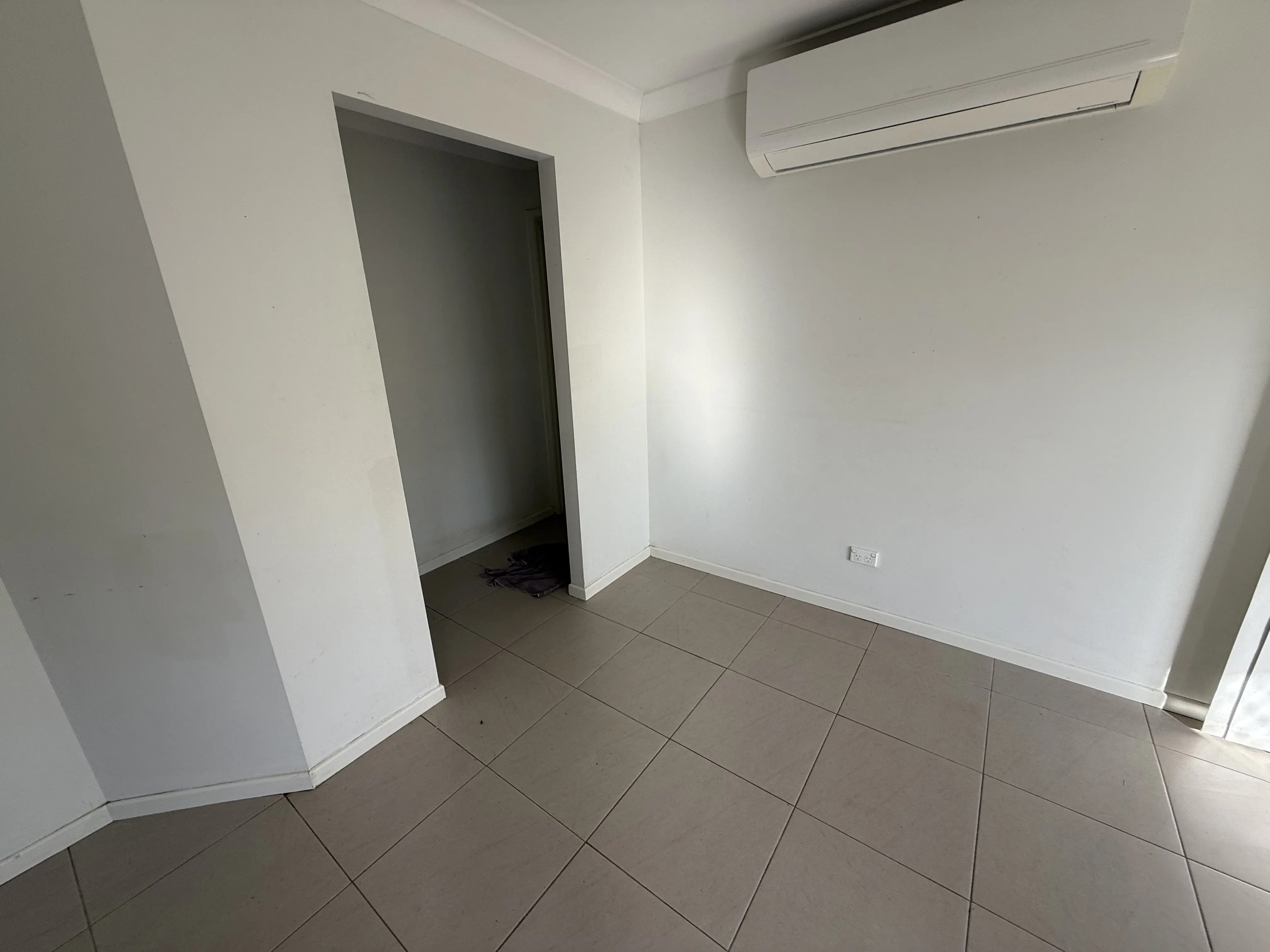
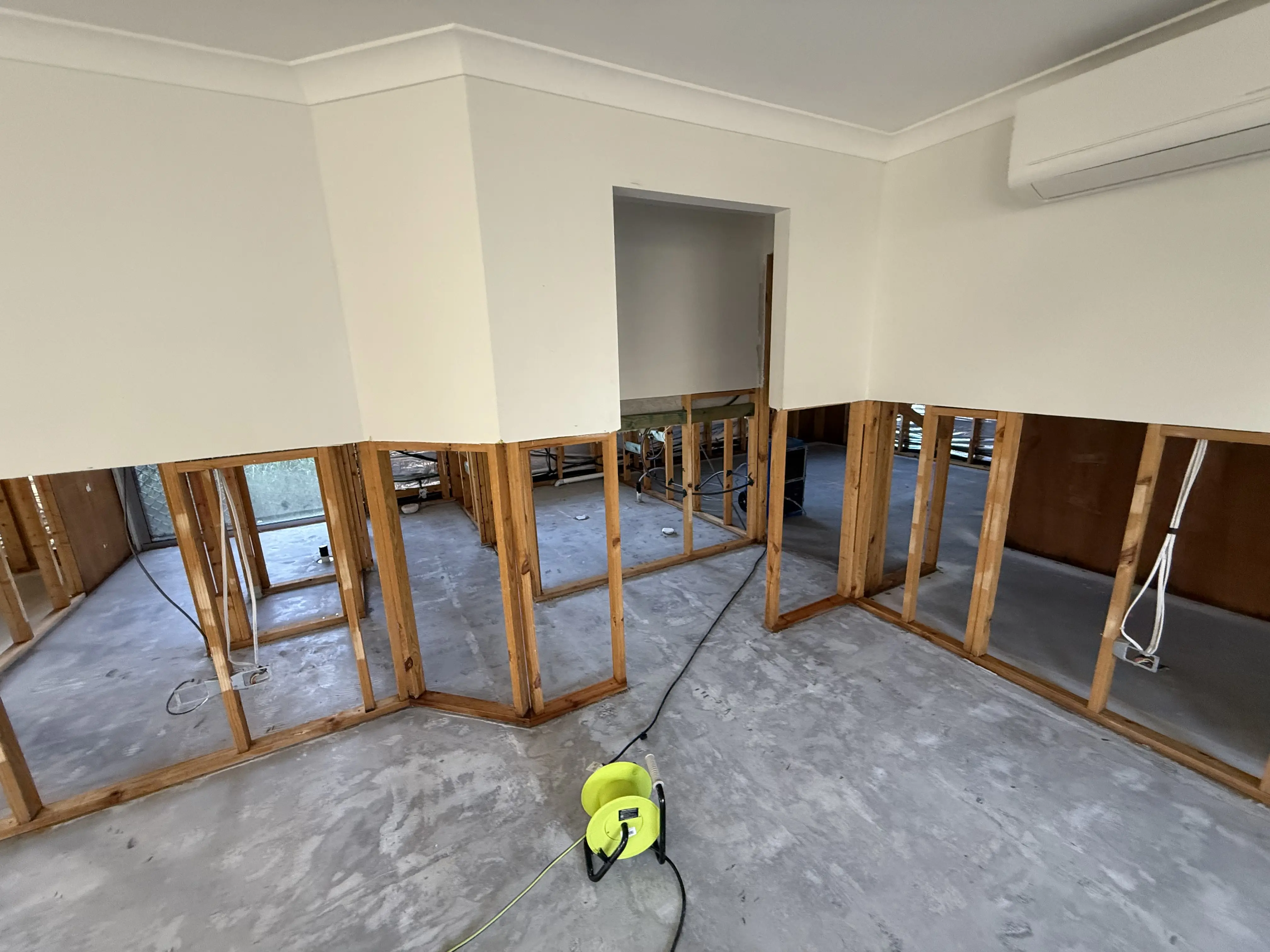
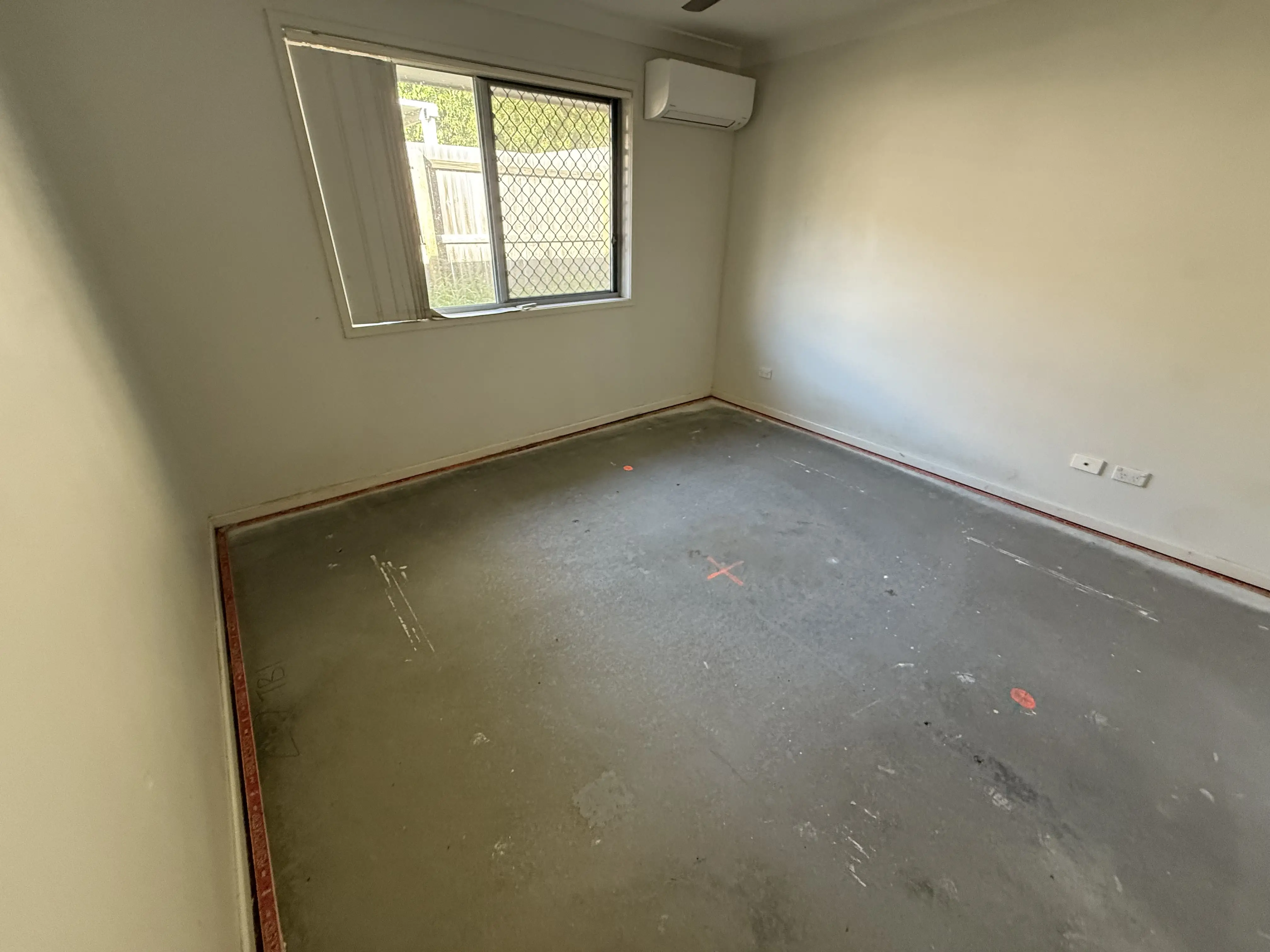
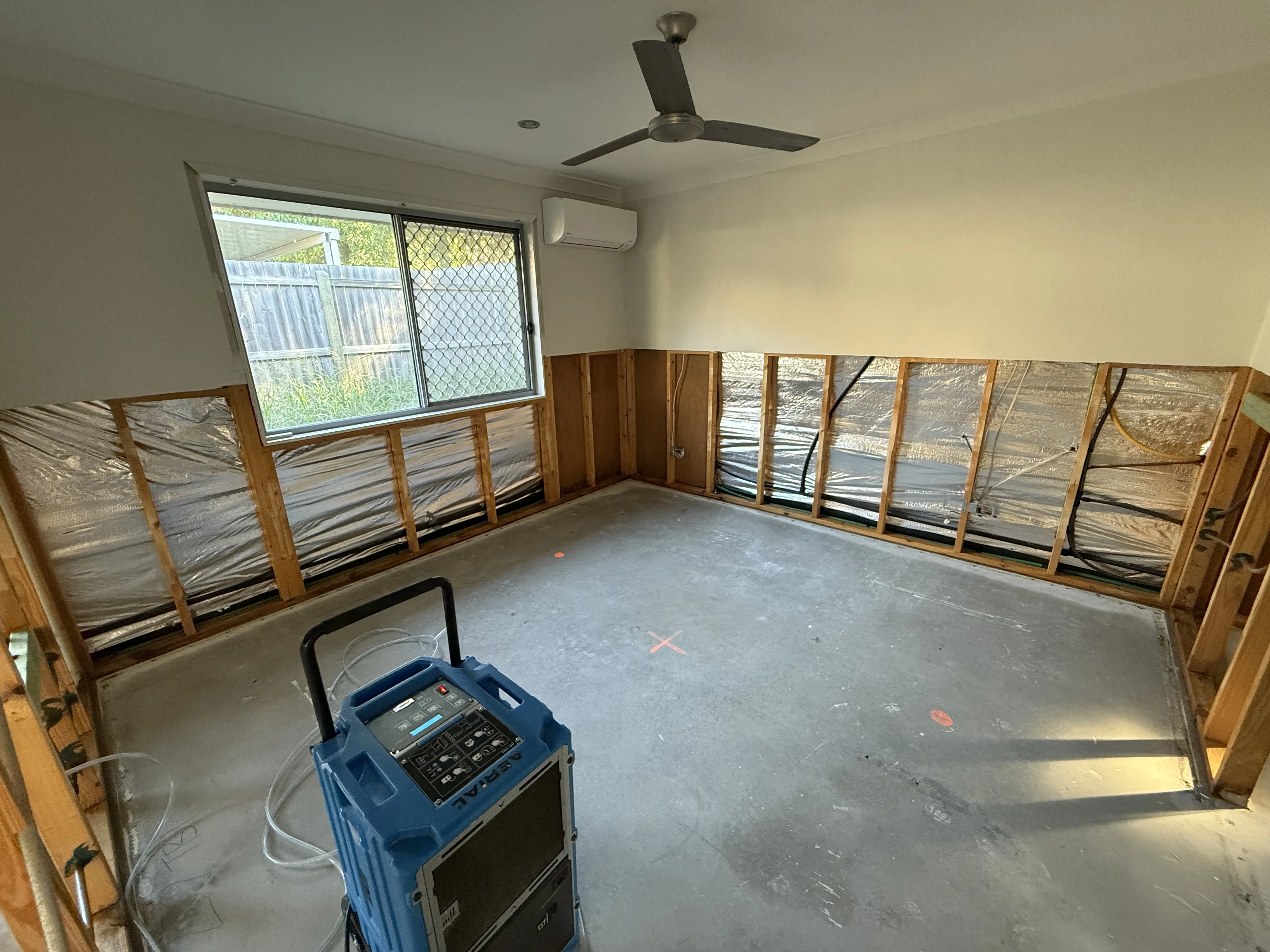
Given the contamination risk and absorption depth, Biodec stripped plasterboard, skirtings, and insulation up to 1200mm, ensuring all contaminated material was removed.
3. Antimicrobial and Disinfection Treatment
All exposed surfaces, including timber framing and slab edges, were thoroughly cleaned and treated with a hospital-grade disinfectant rated for biohazard environments.
4. Drying and Monitoring
Drying equipment was installed and monitored daily to ensure no residual moisture remained. Moisture maps were created as part of the validation process.
5. Documentation
Biodec provided a detailed report for insurance and client records, including:
Pre- and post-strip-out photos
Moisture readings
Description of methods and products used
Certification of completion to IICRC S500 standards
IICRC S500 (2021), Section 14.3:“Documentation should include the source and category of water, the extent of damage, and the procedures used for remediation and drying.”
The Outcome
After 7 days of structured drying and sanitization, the home was declared safe for rebuild.
Why It Matters
Category 3 water damage isn’t just dirty—it’s dangerous. Even small-scale flooding with contaminated water can lead to:
Mould growth
Structural deterioration
Health risks to occupants
Comments